
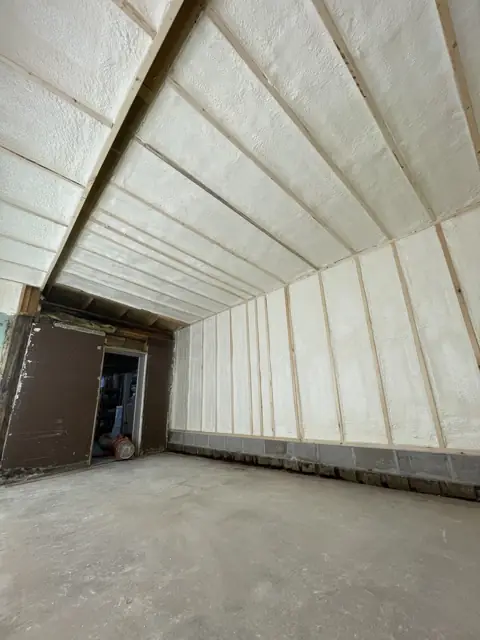
Shops & pole barns
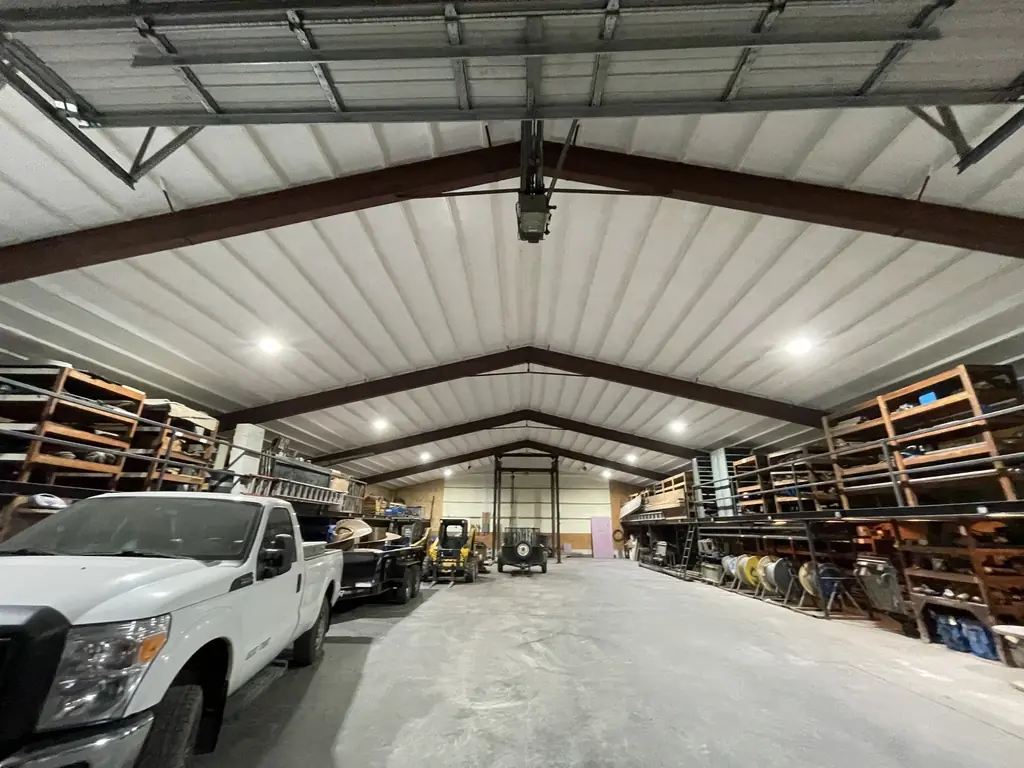
Warmer winters, cooler summers, and no more condensation raining off the steel.
Closed-cell spray foam · Southeast Idaho
Owner-operated closed-cell spray foam for shops, pole barns, homes and ag buildings. The guy who quotes your job is the guy who sprays it.
Free estimates · Licensed & insured · Text a photo of your building for a fast ballpark
Why closed-cell
Fiberglass slows heat down. Closed-cell foam stops the air that carries it, and it doesn't sag, soak up water, or settle over time.
About double fiberglass per inch, so you get the rating you need without thicker walls.
A big share of heat loss is air sneaking through gaps. Foam expands into every crack and seals it.
One inch acts as a vapor retarder, so no more dripping steel or damp framing in your shop.
Cures rigid and bonds to the framing. It sheds water and keeps its R-value for the life of the building.
| Closed-cell foam | Fiberglass batts | |
|---|---|---|
| R-value per inch | R-7.4 | About R-3 to R-4 |
| Seals air leaks | Yes | No |
| Stops condensation on metal | Yes | No, can trap moisture |
| Handles water | Absorbs under 1% | Soaks it up, loses R-value |
| Over time | Stays put | Sags and settles |
What we spray
Warmer winters, cooler summers, and no more condensation raining off the steel.
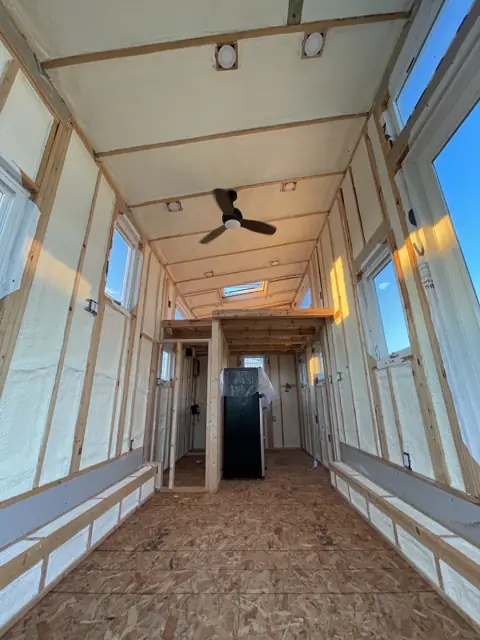
Walls, rim joists, roof decks and crawl spaces, sealed tight before drywall or added later.
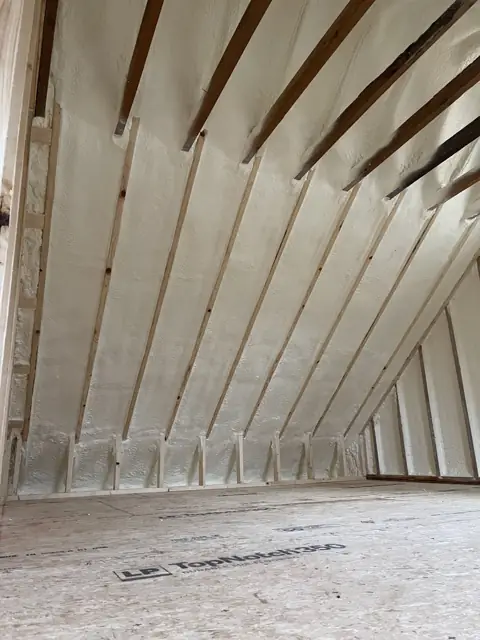
Cathedral ceilings, bonus rooms and unvented attics that stay comfortable year round.
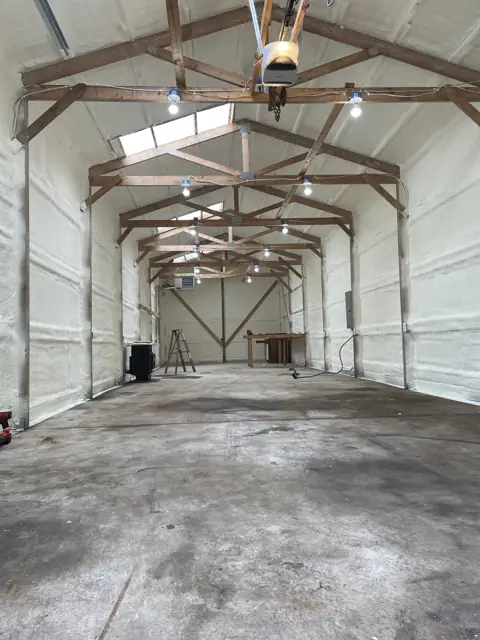
Barns, cellars, equipment storage and outbuildings that need to hold temperature.
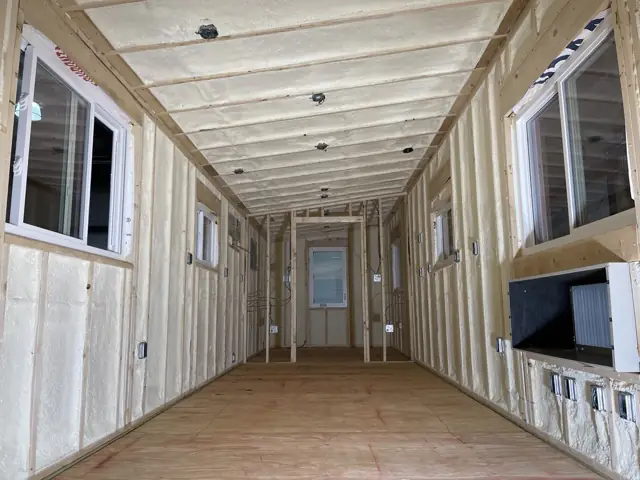
Small spaces where every inch of wall counts and drafts are easy to feel.
Not sure?
Tell me what you're working on. If foam isn't the right fit, I'll say so.
Ask a questionRecent work
Shops, homes, cabins and outbuildings. Tap any photo to see it bigger.
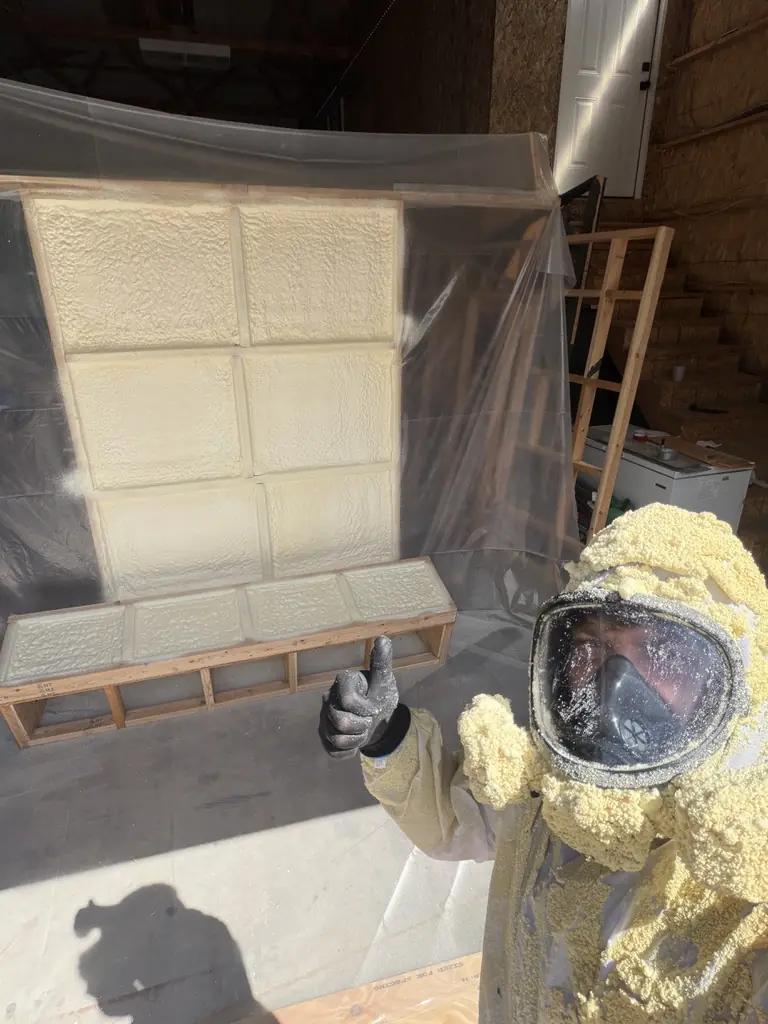
Owner-operated
The guy who quotes your job is the guy who sprays it.
Summit is me, Preston. No sales team and no crew you've never met. You talk to me from the first call to the final walkthrough.
Service area
On the edge of the map? Call anyway. Bigger jobs are worth the drive.
FAQ
Don't see yours? Call or text (208) 589-5991.
Foam is priced by the board foot, which is square footage times thickness. Every building is different, so I give free estimates and put the price, thickness, coverage and R-value in writing before any work starts.
Closed-cell gives you more R-value per inch, works as an air barrier and a vapor retarder, adds strength to the wall, and doesn't soak up water. That makes it the right fit for metal buildings, crawl spaces, and our cold winters.
Yes. Sprayed straight onto the steel, closed-cell foam keeps warm, moist air from reaching the cold metal, which is what causes the dripping.
It depends on the building, what you're using it for, and code if it's a home. I'll recommend a thickness and show you the R-value it gets you on the quote.
Yes. Shops, pole barns, attics, roof decks and crawl spaces are easy to do after the fact. Finished walls need to be opened up first.
Clear the area, move vehicles and equipment out if you can, and keep pets and people away during spraying. I handle the masking and protection.
Most work is within about two hours of Preston. If you're farther out, call anyway. It depends on the size of the job.
Free estimate
Send the basics and a photo or two. I'll get back to you, usually the same day.
Texting a photo of what you're insulating is the fastest way to get a ballpark.
One call, one owner